Spare key, transponder key, or remote fob: choosing the right option for your vehicle
Understanding the differences when you need a replacement
When you are locked out of your car, the first thing that comes to mind is how to get back in and back on the road. But the solution is not always as simple as having a new metal key cut. Modern vehicles use a mix of mechanical, electronic, and digital components to secure access and start the engine. The choice between a spare key, a transponder key, or a remote fob depends on your vehicle's make, model, and the type of lock and ignition system it uses. Knowing the differences can save you time, frustration, and help you communicate clearly with a vehicle lockout service.
What is a standard spare key?
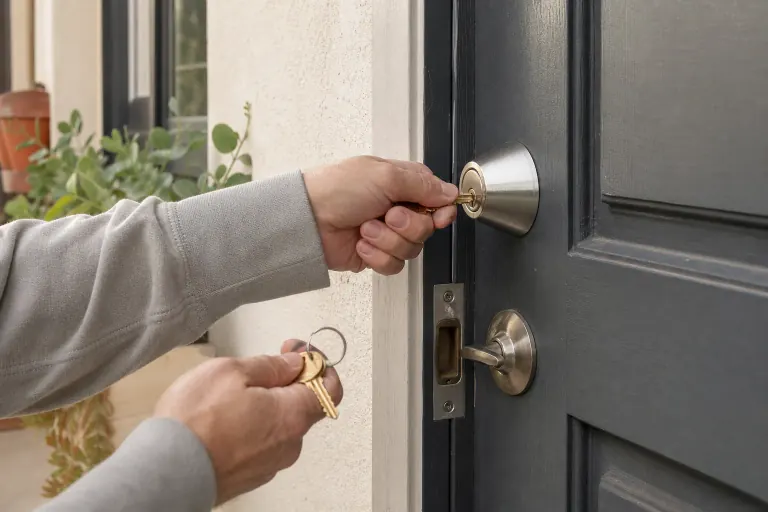
A traditional spare key is a metal blade cut to match the mechanical pins inside your door lock and ignition cylinder. It does not contain any electronics or chips. These keys are common on older vehicles, generally those manufactured before the mid-1990s. If your car uses only a mechanical key, a local locksmith can cut a spare from the original or from a code derived from the lock itself. This is often the quickest and least expensive option, but it offers no theft deterrent beyond the physical lock.
For newer cars, a purely mechanical key will not work because the ignition system expects a signal from a transponder chip before it allows the engine to start. However, many modern vehicles still include a mechanical key blade hidden inside the remote fob, which can be used to unlock the door manually when the battery is dead. Having a spare mechanical key cut for that blade can be a practical backup, even if it will not start the car on its own.
How transponder keys add security
A transponder key looks like a standard key but contains a small electronic chip inside the plastic head. When you insert the key into the ignition cylinder, the vehicle's immobilizer system sends a radio signal to the chip. The chip responds with a unique code. If the code matches what the car expects, the engine can start. If not, the immobilizer remains engaged and the car will not turn over.

Transponder keys became widespread in the late 1990s and early 2000s as a way to reduce vehicle theft. Because the chip must be programmed to the car, copying a transponder key is more involved than cutting a metal key. You need both the correct key blank and access to the vehicle's programming system. Some vehicles require specialized diagnostic equipment to pair a new transponder chip, while others allow the driver to program a new key using a sequence of steps in the car. In many cases, a vehicle lockout service or a mobile locksmith with the right tools can handle the programming on-site.
If you lose your only transponder key, getting a replacement can be more expensive and time-consuming than a standard spare. Some cars require the new key to be programmed using a master key that is already paired to the vehicle. If no working key exists, the locksmith may need to access the vehicle's immobilizer system directly, which can involve removing parts of the dashboard or using advanced electronic tools. This is one reason why keeping a spare transponder key in a safe place is a good habit.
Remote fobs and keyless entry
A remote fob, often called a key fob or smart key, is a small device that communicates wirelessly with your car. It can lock and unlock the doors, open the trunk, and sometimes start the engine without inserting a physical key into the ignition. Many modern vehicles use a proximity system: as long as the fob is inside the car, a push-button start works. Some fobs also contain a mechanical key blade that can be released for manual use.
Remote fobs operate on radio frequencies and use rolling codes to prevent signal theft. When you press a button on the fob, it sends a code that the car recognizes. Each time you use it, the code changes, making it very difficult for someone to capture and replay the signal. If your fob stops working, the problem could be a dead battery inside the fob, a damaged circuit board, or a loss of synchronization with the car. In many cases, replacing the fob battery and resyncing the device solves the issue. But if the fob is lost or damaged beyond repair, you will need a new one that is programmed to your vehicle.
Because fobs are electronic devices with complex circuitry, they are more expensive to replace than a basic transponder key. The cost includes both the hardware and the labor to program it. Some vehicles require the fob to be programmed by a dealership, but many mobile locksmiths now carry the equipment to handle the job for a range of makes and models. When you call a vehicle lockout service, it helps to know whether your car uses a standard key, a transponder key, or a remote fob, so the technician can bring the right tools.
Comparing the options: when each one suits you best
The right choice depends on your vehicle, your budget, and how much convenience you want. Here is a quick comparison of the three options:
- Standard spare key: Best for older cars with no electronic immobilizer. Inexpensive to cut, but offers no security beyond the lock itself. Can serve as a backup door key for newer cars that have a hidden mechanical blade.
- Transponder key: Ideal for vehicles from the late 1990s onward that use an immobilizer system. Provides good theft protection. Requires programming, which may add to the cost and time. Having a spare transponder key can save you from a costly and complicated replacement later.
- Remote fob: Essential for cars with keyless entry and push-button start. Offers the most convenience, but also the highest replacement cost. If you lose your only fob, you may be unable to drive the car until a new one is programmed. Keeping a spare fob or at least a spare mechanical key is wise.
What to do when you are locked out
If you find yourself locked out of your vehicle, the first step is to stay calm and assess the situation. Do you have a spare key somewhere, maybe at home or with a family member? Can you see if the key is still inside the car? If the key is inside and the doors are locked, a vehicle lockout service can often open the door without damaging the car, using specialized tools like wedges and long-reach tools. If the key is lost or broken, you will need a replacement key or fob.
When you contact a locksmith or lockout service, be ready to provide the make, model, and year of your vehicle. The technician will need to know what type of key system your car uses. If you have proof of ownership, such as the vehicle registration or title, have it ready. Many locksmiths require proof of ownership before they will cut or program a new key, to prevent unauthorized access. You may also need your vehicle identification number, which is usually visible through the windshield on the driver's side dashboard or on a sticker inside the driver's door frame.
Planning ahead to avoid future lockouts
Being locked out is stressful, but it is often avoidable with a little planning. Consider having a spare key made and keeping it in a secure place, such as with a trusted friend or in a magnetic lockbox attached to the underside of the car (if you are comfortable with the security trade-off). For vehicles with transponder keys or remote fobs, having a spare programmed and ready can prevent a long wait and a higher cost if the original is lost.
It is also worth knowing that car key replacement is not always something a dealership must handle. Many mobile locksmiths can cut and program keys for a wide range of vehicles, often at a lower cost and with faster response times than a dealership. If you have a newer car, check with a local locksmith to see if they can handle transponder key or fob programming before you need it. That way, if you ever need a car key replacement in an emergency, you already know who to call.
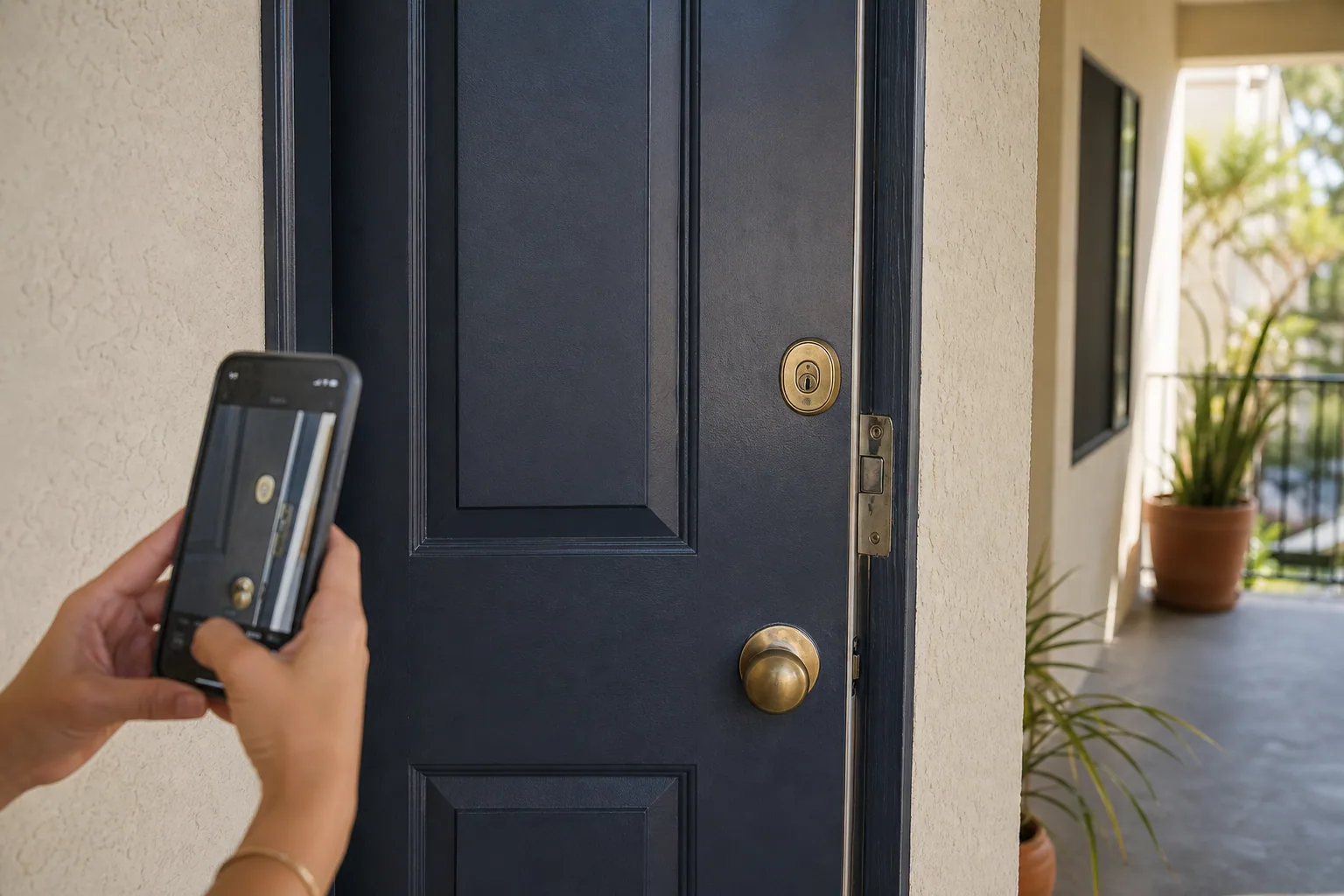
Another step you can take is to keep a spare mechanical key separate from your main keychain. If your fob battery dies or the fob malfunctions, the mechanical key can still open the door. Some cars have a hidden key slot under a cover on the door handle or a mechanical release inside the car that allows you to start the engine with the fob held near a specific spot, even if the fob battery is dead. Check your owner's manual for these features, so you know what to do in a pinch.
Final considerations
Understanding the difference between a spare key, a transponder key, and a remote fob helps you make informed decisions about replacement and lockout situations. Each option has its own strengths and weaknesses. The most important thing is to know which system your vehicle uses and to have a backup plan in place. Whether you rely on a traditional metal spare, a programmed transponder key, or a fully electronic fob, being prepared can turn a frustrating lockout into a minor inconvenience. When you do need help, a professional vehicle lockout service can match the right key or fob to your car and get you moving again.